
By: Sandra Fehsenfeld, co-founder of All in One Women (AllOW), a community for moms in science, freelancer, and former NSERC-funded PDF
When Helga Guderley commented on our blog post from March 2022, I was immediately curious.
She said: “I found it striking/amusing/sad that little has truly changed in the equations about striking a balance between having a family and being an academic since when I negotiated getting tenure and having my two children [in the eighties].” I couldn’t help but wonder: what exactly does she mean by that?
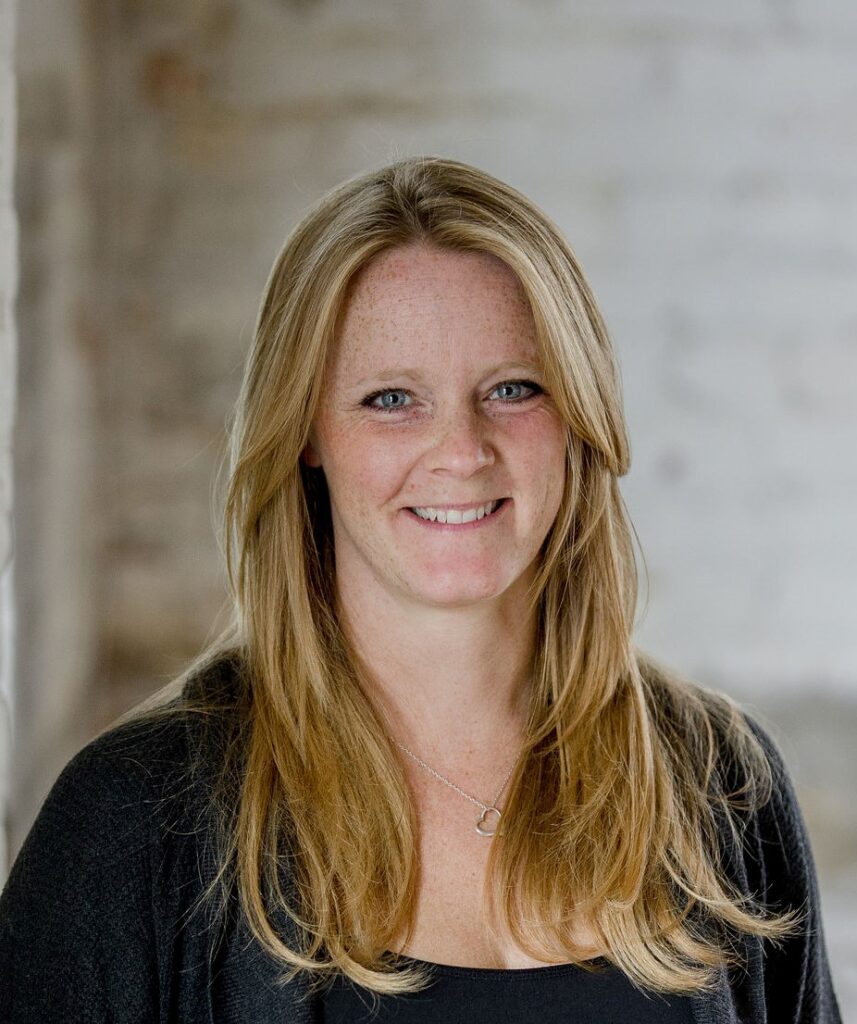
Fast forward a year. This is the second part of the mini blog-series on caregiving in academia. Inspired by Helga’s comment, we’re focusing on how caregiving has changed over time. For this article, I sat down with two parents from different generations: Helga as our “then” Mom and Erin Leonard, as our “now” Mom. Erin is an Early Career Researcher from our CSZ community and mother of two, to get to the bottom of what did or did not change for caregivers in science over the years.
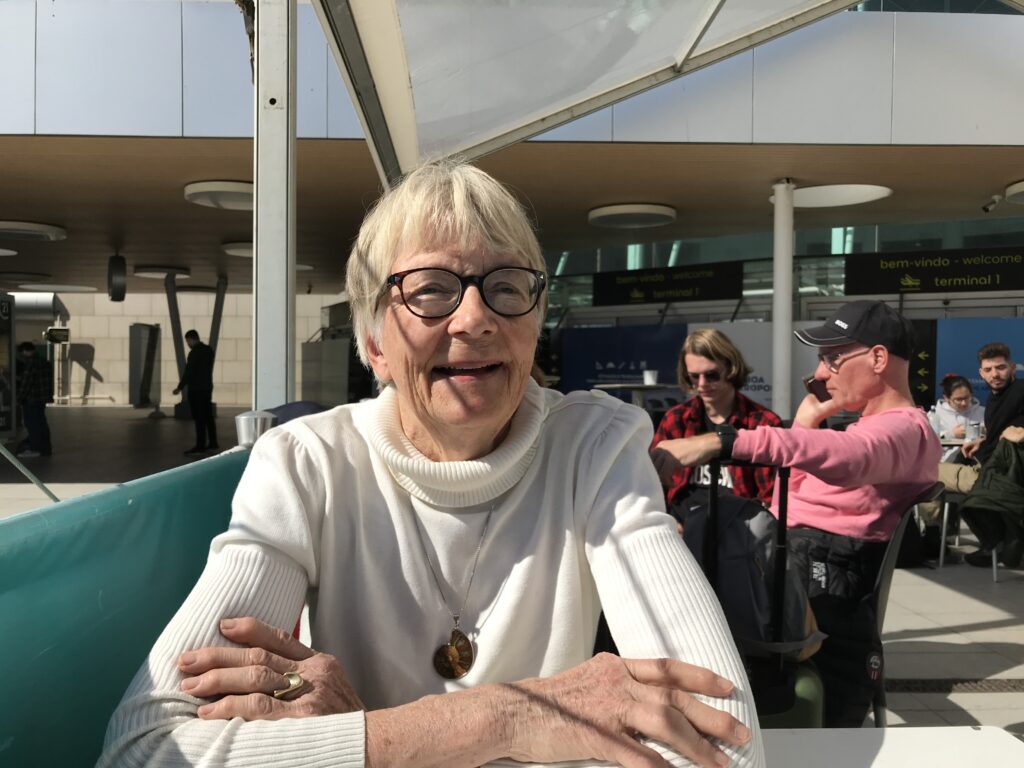
One simple fact that both Helga and Erin agreed that will never change is that parents naturally care for their children – and especially moms! What comes on top of this, however, is also the strong sense of ambition and of wanting to succeed and be fulfilled by their scientific/academic career. As Erin puts it: “[we are] inspired and intrigued by the opportunities this career path offers … the connection [and] mentoring of students … the diversity in tasks … the intellectual stimulation … it just has it all.”
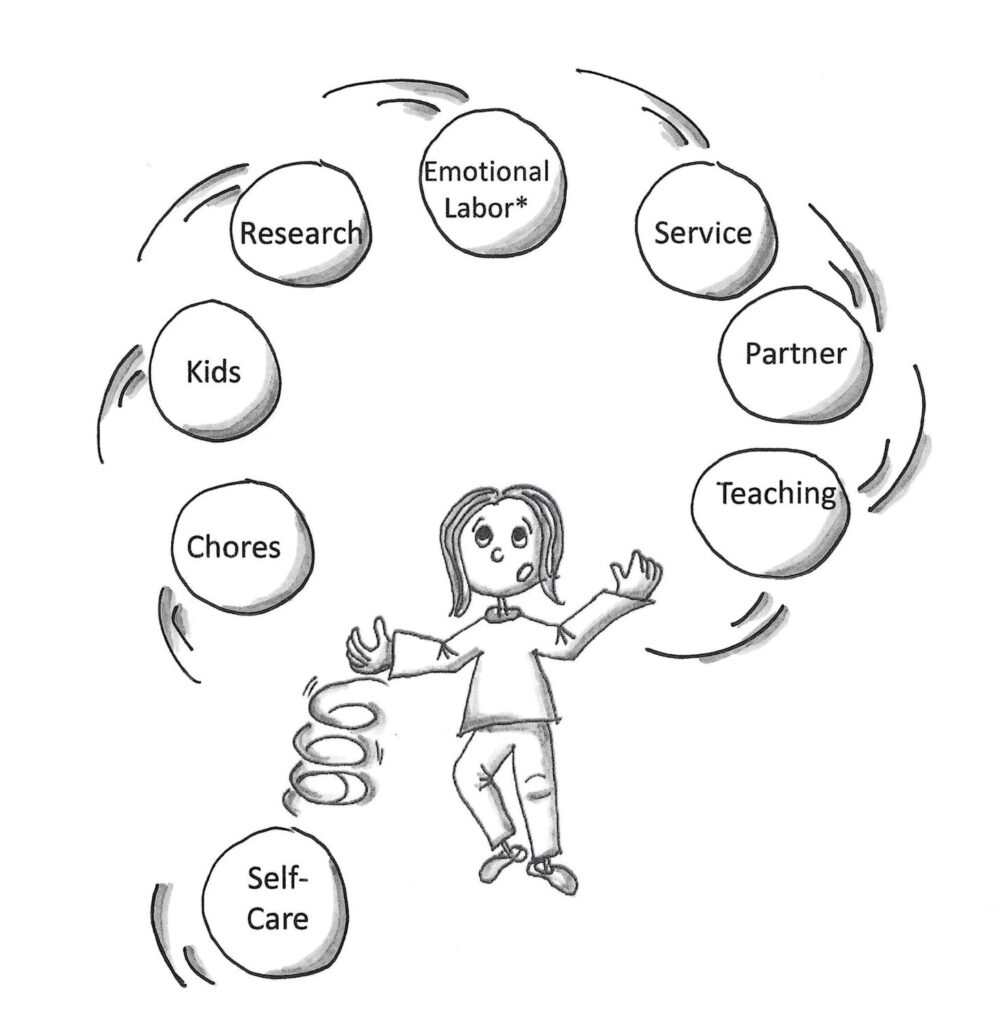
However, primary caregivers often feel pulled into different directions, which leads to tension that – if not resolved in a productive way – ultimately leads to stress and burn out, plus constant second guessing if they set the priorities right.
A common struggle that both Helga and Erin faced particularly in their early research days (and that does not seem to have changed much) was that funding is limited and highly competitive. Additionally, establishing a lab includes so many different demands on time and energy that it never seems like you can give enough.
The trade-off leads into a vicious circle of time and energy invested in children allows for less time in the lab and producing measurable research results, which leads to less competitiveness to apply for funding. But then the funding is what would allow the lab to actually take off, produce more tangible outcomes, then again resulting in better competitiveness for funding agencies – and of course jobs. If your head is spinning by that sentence alone, try imagining being in the midst of it!
[One of the biggest challenges is] the fact that I just feel like I never get to turn off as the list of things is just never ending!” says Erin. With little start-up money and teaching relief at many universities, this struggle becomes almost impossible to take on especially for moms as primary caregivers. So, it’s almost like we must choose – do we want to feel like the bad parent, not spending enough time with the kids, or do we prefer to feel like a bad researcher for not being able to lift-off?
And have I even mentioned self-care? Helga is convinced that “Taking time for oneself is incredibly important. As I got older, I realized more and more that the most important time for myself was time I spent outdoors. So walking, biking, being outdoors, I made sure to do that every day, and I still do”. Nowadays, however, it almost seems like there is little time for guilt-free self-care and me-time. To have at least some exercise, Erin set up a little gym in her office, but this way it then almost just feels like another chore added to the already long list…
Another thing Helga and Erin agreed on is that all caregivers with a career need a variety of supports to succeed. One is colleagues that understand their situation and can potentially help with logistics or resources around work (which both Erin and Helga note that they were lucky to have). This becomes even more important for caregivers who accept jobs far from extended family support.
Both Helga and Erin mentioned the invaluable support by their partners who can relate to the peculiarities of the academic system (if they are also working in science) or to add that extra set of thoughts and ideas for tackling obstacles together at home. They also noted, however, that while they feel/felt generally supported by their peers, they would have loved to have more contact and connection to other science moms at similar career stages that simply get where they are/were coming from.
Caregiving is a huge topic, and no two caregivers’ experiences are the same. To finish off this particular window into caregiving, some final thoughts: what Helga, Erin, and myself all agreed changed over time is broader public awareness of the big issues and challenges of caregiving. The conversation definitely started – so let’s keep it going!
P.S.; If you are a caregiver and/or mom in science and would like to participate in the conversation come join our Caregiver Breakfast at this year’s CZS Annual Meeting in Saskatoon, Tuesday May 16 at 7.30 am!
Want to join a community of moms in science or have any questions? Give me a shout at Sandra.Fehsenfeld@yahoo.com.
Header image from Leonard von Bibra, Unsplash